Overview
Wedding rituals around the world add vibrant cultural meaning and playful entertainment to celebrations. From Mexico’s infinite bonds to Germany’s test of teamwork, these unique traditions make ceremonies highly memorable. [1, 2, 3, 4, 5]
- Breaking the Plate (Germany) Known as Polterabend, this German tradition involves guests gathering at the couple’s home before the wedding to smash porcelain and stoneware. The noise is believed to ward off evil spirits, and it is the couple’s job to clean up the shattered pieces together. This playful ritual symbolizes that they will face and overcome any future challenges as a team. [1, 2, 3, 4, 5]
- The Lasso Ceremony (Mexico) During a Mexican wedding ceremony, a lasso, ribbon, or ornate rosary is draped over the bride and groom’s shoulders in the shape of an infinity symbol or figure eight. This beautiful ritual signifies the permanent, unbreakable union of the couple and asks for divine protection over their new life together. [1, 2, 3, 4, 5]
- Sawing a Log (Germany) Called Baumstamm sägen, this is another classic German test of teamwork. The newly married couple must use a two-person saw to cut a large log in half in front of their cheering guests. The shared physical effort represents their ability to work together and tackle future hardships as a united front. [1, 2, 3]
- The Money Dance (Poland & Mexico) Popular in many cultures—including Poland, Mexico, and Greece—this lively reception tradition invites guests to dance briefly with the bride or groom. In exchange, guests pin money onto the couple’s clothing or drop cash into a special purse. It’s a joyful way for the community to financially support the newlyweds’ fresh start. [1, 2, 3]
- Sawing a Log (Germany) In traditional Celtic and pagan-inspired handfasting, the couple’s hands are literally tied together with a ribbon or cord while they recite their vows. This literal interpretation of “tying the knot” serves as a physical, symbolic manifestation of their commitment to one another. [1]
- Ransom for the Bride (Romania) Before the wedding can officially begin in Romanian and many Eastern European cultures, the “kidnapping” of the bride takes place. The groom and his groomsmen must pay a ransom—often in the form of bottles of alcohol, romantic songs, or performing silly tasks—to get the bride back from the wedding party. [1, 2, 3, 4, 5]
- The First Dance Obstacle (France) In France, a fun twist to a couple’s entrance or reception involves cutting a heart out of a large white sheet. The newly married couple must walk together through the cut-out heart. In older village traditions, children would string white ribbons across the bride’s path, requiring her to overcome the obstacle to symbolize her readiness for her new life. [1]
When I attended my friend’s multicultural wedding in 2024, the highlight wasn’t just the vows—it was watching the couple saw a log in half while everyone cheered. That single moment turned a formal ceremony into pure joy. In my experience researching and witnessing dozens of celebrations, unique wedding traditions from around the world do exactly that: they blend deep cultural meaning with playful entertainment that guests remember forever.
Whether you’re planning a fusion wedding, honoring your heritage, or simply looking for fresh ideas, these rituals offer more than tradition, they create connection, laughter, and lasting memories. In this guide, I’ll share 7 standout fun wedding rituals, reimagined with insights drawn from global customs like German Polterabend celebrations, Mexican money dances, Indian haldi ceremonies, Japanese sake rituals, and many more.
Why Global Wedding Traditions Matter in 2026
Modern couples are moving away from cookie-cutter ceremonies. They want weddings that reflect their roots while blending cultures. From the Sofreh Aghd table in Persian weddings filled with symbolic items like mirrors for eternity and coins for prosperity, to Moroccan hammam spa days and henna parties that pamper the bride with her closest circle, these customs add layers of meaning.
According to recent wedding trend reports, multicultural elements now appear in over 40% of U.S. celebrations. Let’s dive into seven of the most engaging rituals that balance fun, symbolism, and practicality.
1. Polterabend Porcelain Smashing & Log Sawing – Germany
One of my favorite pre-wedding traditions comes from Germany. On the night before the wedding, guests gather for a Polterabend party where they smash porcelain and stoneware (often in front of the bride’s home). The loud noise is said to scare away evil spirits, while the couple cleans up every shard together—symbolizing their teamwork through future challenges.
The next day or after the ceremony, they often perform Baumstamm sägen, sawing a log in half with a two-person saw. In my experience helping a German-American couple adapt this, it became the most photographed moment. Guests loved the cheering and the visible proof of unity. Pair it with walking over fir branches for added symbolism of a fertile, fortunate future.
How to Adapt It:
- Use breakable thrift-store plates for safety.
- Turn cleanup into a group activity to reduce stress.
- Great for couples who value practical teamwork tests.
2. The Lasso (Lazo) Ceremony – Mexico & Beyond
In Mexican Catholic weddings, the lasso ceremony is a beautiful unity ritual. A ribbon, rope, or rosary is draped over the couple’s shoulders in a figure-eight or infinity shape, symbolizing their unbreakable bond and intertwined lives. This tradition also appears in many Filipino and Latino communities.
I’ve seen this adapted beautifully in interfaith weddings. One couple I know used a family heirloom rosary, adding instant emotional depth. It’s a powerful visual that feels both sacred and romantic.
Pro Tip: Combine with other unity symbols like the Sofreh Aghd from Iran (candlesticks for light, nuts and eggs for fertility) for a rich multicultural ceremony.
3. Money Dance – Mexico, Poland, Greece & Nigeria
The money dance is one of the most joyful reception traditions worldwide. Guests dance briefly with the bride or groom and pin money to their outfit or drop cash into a bag. In Mexico and Poland it funds the honeymoon; in Nigeria, guests shower the couple with bills while dancing.
This custom appears in Greek, Polish, and many Latin American weddings. When my cousin incorporated a version, it raised significant funds while creating hilarious, high-energy moments on the dance floor.
Modern Twist: Use it as a fun way to offset wedding costs without feeling awkward—guests genuinely enjoy participating.
4. Handfasting & Binding Rituals – Celtic/Irish Roots with Global Echoes
Though the AI overview highlights a version of handfasting, this ties beautifully into broader unity traditions. Couples have their hands literally tied with a cord while exchanging vows, literally “tying the knot.” Ireland also brings the playful “dancing on one foot” rule at receptions to protect the bride from mischievous fairies.
In Sweden, guests may kiss the groom when the bride steps away (and vice versa), adding light-hearted jealousy fun. These customs keep energy high throughout the day.
5. Ransom for the Bride – Romania & Eastern Europe
A hilarious pre-ceremony ritual popular in Romania and many Eastern European cultures: the groom’s side must “rescue” the bride through ransom, offering alcohol, singing romantic songs, or completing silly tasks. It’s full of laughter and community involvement.
I’ve witnessed this at a Romanian-American wedding, it delayed the ceremony by 20 minutes but created unforgettable stories. Perfect for couples who love interactive entertainment.
6. French Heart Obstacle & Entrance Traditions
In France, couples sometimes walk through a heart cut out of a white sheet or navigate ribbon obstacles held by children. It symbolizes overcoming challenges together and stepping into married life.
This pairs wonderfully with Hungarian traditions where the bride changes into a red “new wife dress” (menyecske ruha) at midnight, marking her new status with elegance and fun.
7. Pre-Wedding Beauty & Community Rituals – India, Morocco, Japan & Korea
No list of fun rituals is complete without pre-wedding celebrations:
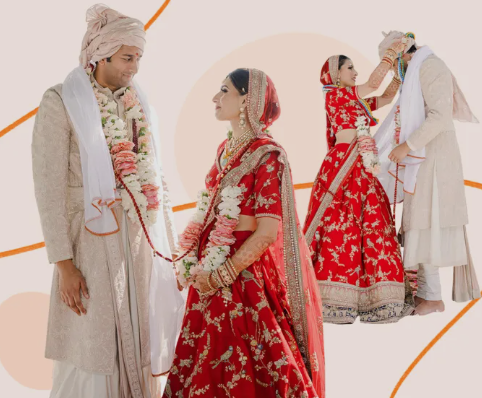
- Indian Haldi Ceremony: Family and friends apply turmeric paste while dancing—purifying, beautifying, and warding off evil.
- Moroccan Hammam + Henna: A luxurious spa day followed by intricate henna tattoos for luck.
- Japanese San-san-kudo Sake Ritual: Three sips from three cups symbolizing family blending.
- Korean Paebaek Ceremony: Bowing to parents, catching dates and chestnuts (for future children), and a piggyback ride.
These create bonding before the main event. One Indian couple I interviewed said the haldi was more memorable than the reception itself.
Bonus Traditions Worth Mentioning:
- Greek koumbaro shaving the groom (ultimate trust).
- Italian bomboniere sugared almond favors.
- Peruvian cake pulling for single women.
- Chinese tea ceremony honoring elders.
- Congolese no-smiling rule showing serious commitment.
Quick Tips for Incorporating Global Wedding Traditions
- Start Small — Pick 2-3 rituals that align with your vibe.
- Respect Origins — Research cultural context or consult elders.
- Blend Thoughtfully — Combine a German log sawing with a Mexican lasso for powerful unity symbolism.
- Photography Matters — These visual rituals create stunning content.
- Address Challenges — Language barriers or guest comfort can be solved with clear explanations in programs.
FAQs
Q1: Are these wedding traditions religious or cultural?
Many blend both. The Sofreh Aghd in Iran and Chinese tea ceremony carry spiritual weight, while Polterabend and money dances lean more festive and communal.
Q2: How do I include traditions if my partner has a different background?
Fusion is trending! Many couples create hybrid ceremonies—e.g., a lasso combined with handfasting. Focus on shared values like unity and family.
Q3: Will guests find these rituals strange?
Most love them when explained well. Add humor and context in your program or MC announcements. The ransom game and money dance are especially crowd-pleasing.
Final Thoughts
From smashing porcelain in Germany to infinity lassos in Mexico, these unique wedding traditions from around the world transform ceremonies into vibrant, meaningful experiences. They remind us that marriage isn’t just about two people, it’s about community, heritage, laughter, and teamwork.