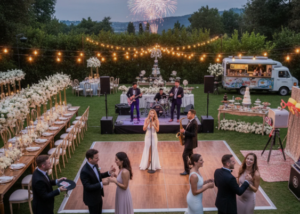
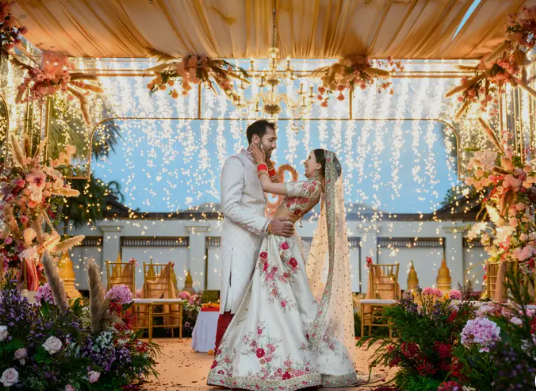
If you’ve ever stepped into a South Asian wedding, you already know, it doesn’t feel like an event. It feels like stepping into another world.
I still remember my first time attending one. I walked in thinking I was just going to “a wedding.” Within an hour, I was watching choreographed family dances, hearing the beat of the dhol echo through the venue, and standing in front of a mandap glowing with flowers, lights, and emotion. And honestly? I was hooked.
South Asian weddings are not just ceremonies—they are multi-day cultural festivals filled with music, food, fashion, rituals, and deep family meaning. Whether it’s a Punjabi Sangeet, a South Indian Muhurtham ceremony, or a Pakistani Nikah followed by a lively Walima, every moment feels intentional and powerful.
Let’s explore why South Asian weddings are widely considered some of the most unforgettable celebrations in the world.
Important Tips:
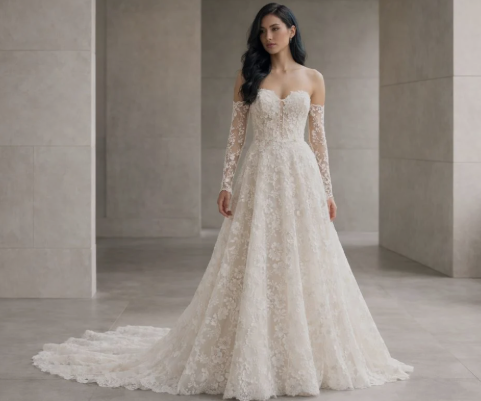
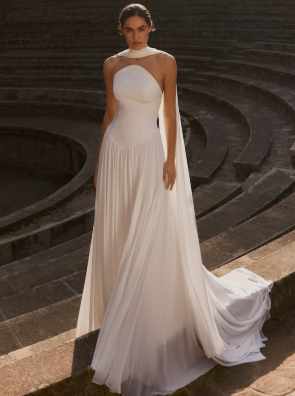
Planning your dream wedding attire can feel overwhelming, so this
Bridal Buying Guide for the Blushing Bride
can help you make confident choices for your special day.
Why South Asian Weddings Are the Best Celebrations in the World
From India and Pakistan to Bangladesh, Sri Lanka, and Nepal, South Asian weddings represent centuries of tradition blended with modern creativity. What makes them truly special isn’t just the scale—it’s the emotional depth behind every ritual.
Even institutions like the Smithsonian Asian Pacific American Center have highlighted how South Asian celebrations influence global wedding culture, especially in diaspora communities across the world.
And in my experience attending and observing these weddings, one thing becomes very clear: this is not just a union of two people—it is the merging of entire families, histories, and identities.
Overview
South Asian weddings are universally celebrated for their unmatched vibrancy, deep-rooted family significance, and spectacular multi-day celebrations. From the mesmerizing fashion and epic dance parties to the rich cultural symbolism, they offer a truly immersive experience.Here is what makes South Asian weddings incredibly special:Epic, Multi-Day Celebrations: Rather than a single evening, these weddings are extended festivities spanning several days. Events like the lively Sangeet (music and dance night) and colorful ceremonies like the Haldi (turmeric paste ritual) create an unforgettable journey of joy leading up to the main ceremony.
The Baraat: The groom’s grand procession into the venue is the ultimate energy booster. It traditionally involves a lively entrance with drumming (dhol), dancing in the streets, and being welcomed by the bride’s family.Vibrant Fashion and Details: The celebrations are a feast for the eyes, filled with deep reds, vibrant pinks, and gold detailing. Guests also participate in the visual spectacle by wearing elaborate, traditional attire like sarees, lehengas, and sherwanis.Incredible Cuisine: Because hosting large crowds of extended family and friends is a central pillar, the food is legendary. Multi-course regional buffets, live cooking stations, and traditional sweets make up a massive part of the hospitality.Deep Familial and Cultural Union:
Marriage in South Asian culture signifies the coming together of two entire families, not just the couple. The rituals—such as exchanging floral garlands (Jai Mala) or walking around the sacred fire—are steeped in spiritual and historical significance.Showstopping Entertainment: Choreographed family dances, vibrant musical performances, and elaborate reception parties make it one of the best dance floors you will ever experience.For a deeper look into how these rich traditions can vary by region and religion, or to learn about the beautiful intricacies behind the celebrations, you can explore the South Asian Weddings:
Understanding the Beautiful Diversity blog or dive into the Performative Nature of South Asian Weddings analysis.If you’d like to explore more, I can tell you about:The different pre-wedding rituals (like the Mehndi) and what they meanHow to dress for a South Asian wedding as a guestModern fusion wedding trends and how couples are blending cultures
What Makes South Asian Weddings So Special?
H3: Multi-Day Celebrations That Feel Like Festivals
Unlike Western weddings that often last a few hours, South Asian weddings are structured as multi-day experiences.
You’ll often see:
- Mehndi or Haldi ceremony
- Sangeet (music and dance night)
- Wedding ceremony (Nikah, Anand Karaj, or Hindu rituals)
- Reception or Walima
Each event has its own identity, energy, and meaning. The rhythm of these celebrations creates a buildup of emotion that feels almost cinematic.
In my experience, the Sangeet is where things truly come alive—grandparents clapping, cousins performing choreographed dances, and everyone laughing like they’ve known each other forever.
Baraat – The Most Energetic Wedding Entrance Ever
If there is one moment that defines the energy of a South Asian wedding, it’s the Baraat.
The groom arrives in a festive procession filled with dancing, music, and celebration. The sound of the dhol (traditional drum) sets the tone, while guests dance in the streets before entering the venue.
It’s chaotic, loud, joyful—and absolutely unforgettable.
Fashion That Tells a Story
South Asian wedding fashion is not just clothing—it’s identity.
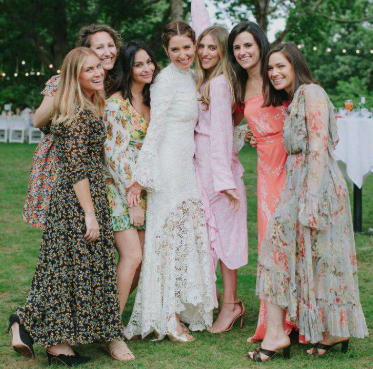
From deep reds and gold embroidery to vibrant greens and pinks, every outfit carries cultural meaning. Guests wear:
- Sarees
- Lehengas
- Sherwanis
- Kurtas
Each region has its own aesthetic. A South Indian bride may wear silk in traditional tones, while a Pakistani bride may wear intricate gold embroidery with bold red accents.
Honestly, I’ve never seen another wedding environment where guests look as visually coordinated yet individually expressive at the same time.
Food That Feels Like a Family Feast
If there’s one universal truth: no one leaves a South Asian wedding hungry.
Food is not just catering—it is hospitality.
Expect:
- Multi-course buffets
- Regional dishes from different cultures
- Live cooking stations
- Traditional sweets
Every plate tells a story of heritage
Cultural Diversity Across South Asian Weddings
One of the biggest misconceptions is that “Indian weddings” are all the same. In reality, South Asia includes diverse cultures such as:
- India
- Pakistan
- Bangladesh
- Sri Lanka
- Nepal
Each region brings unique traditions:
- Punjabi weddings: energetic Sangeet and Baraat
- South Indian weddings: morning Muhurtham ceremonies
- Gujarati weddings: Garba and Raas dances
- Pakistani weddings: Mehndi, Nikah, Walima
- Bengali weddings: Gaye Holud and Bou Bhaat
In one wedding I attended, the couple blended Punjabi and South Indian traditions. The result? Two different ceremonies, two aesthetics, and one beautifully unified celebration.
Rituals That Carry Deep Meaning
South Asian weddings are rich with symbolism.
Common rituals include:
- Exchanging floral garlands (Jai Mala)
- Sacred fire ceremonies (Hindu traditions)
- Anand Karaj in Sikh weddings
- Nikah in Muslim weddings
- Mehndi application ceremonies
Each ritual represents unity, blessings, and cultural heritage passed down for generations.
Why Family Is the Heart of Everything
In Western weddings, the focus is often the couple. In South Asian weddings, it’s the entire family network.
Extended relatives play active roles:
- Hosting ceremonies
- Performing dances
- Preparing rituals
- Welcoming guests
It truly feels like two families becoming one large community.
Entertainment That Feels Like a Live Show
If you think weddings are just dinners and speeches, South Asian weddings will change your mind.
Expect:
- Choreographed dance performances
- Live music and DJs
- Emotional family speeches
- Surprise performances
It’s not uncommon for even shy relatives to suddenly turn into performers.
Modern Fusion Weddings
Today, many couples are blending cultures—South Asian with Western traditions or interfaith combinations.
These weddings often combine:
- Multiple ceremonies
- Mixed fashion styles
- Fusion menus
- Hybrid music playlists
And honestly, they’re some of the most creative celebrations I’ve seen.
Common Challenges (And Real Solutions)
Problem: Too Many Traditions
Solution: Prioritize meaningful rituals instead of including everything.
Problem: Vendor Confusion
Solution: Work with experienced planners and culturally aware designers.
Problem: Venue Limitations
Solution: Choose venues flexible with multi-day events.
Final Thoughts
South Asian weddings are not just beautiful—they are immersive cultural experiences.
They combine:
- Deep tradition
- Emotional storytelling
- High-energy celebrations
- Artistic expression
- Family unity
And every time I witness one, I walk away thinking the same thing: this is how joy should feel—shared, loud, colorful, and unforgettable.
FAQs
Why are South Asian weddings so long?
Because they include multiple ceremonies and cultural rituals spread across several days.
What is the most important event in a South Asian wedding?
It depends on the culture, but commonly the wedding ceremony itself (Nikah, Anand Karaj, or Hindu rituals).
Are South Asian weddings always religious?
Most include religious elements, but modern weddings often blend cultural and personal traditions.
If you’d like, I can also break down:
- South Asian wedding outfits by region
- Budget planning for large weddings
- or a step-by-step wedding timeline checklist