
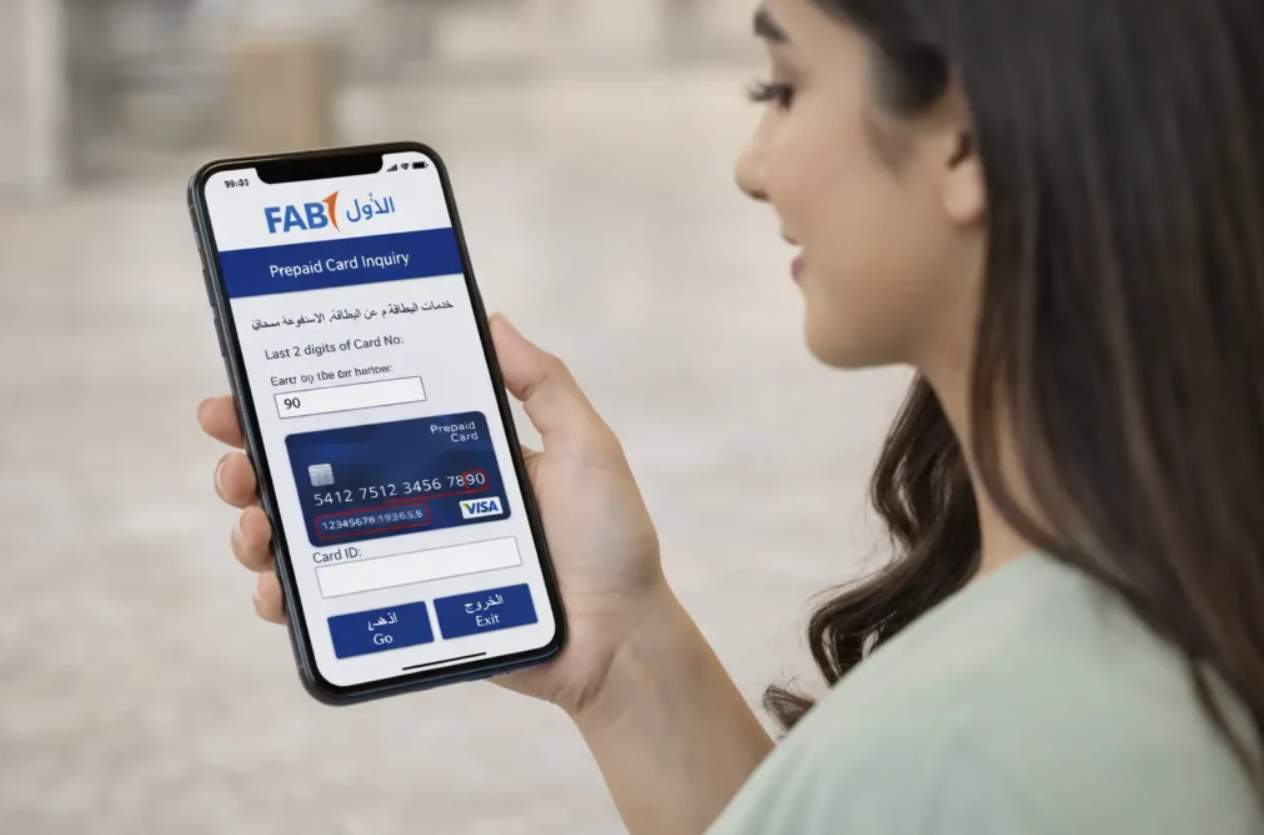
I still remember the days when checking my account balance meant standing in a queue, clutching a passbook, and hoping the teller wasn’t on a break. Fast forward to today, and I do the same thing from my kitchen table in under ten seconds. That shift didn’t happen by accident, it’s the result of banks like First Abu Dhabi Bank (FAB) rebuilding their digital experience from the ground up.
In my experience testing FAB’s online and mobile banking over the past few months, what stood out wasn’t just the convenience. It was how deliberately the platform balances speed with security, something a lot of banking apps still struggle to get right. If you’re a FAB customer, or thinking about becoming one, this guide walks you through what’s changed, what works well, and how to get the most out of it without any of the guesswork.
Why FAB Online Banking Matters in 2026
FAB is the largest bank in the UAE, formed from the merger of National Bank of Abu Dhabi and First Gulf Bank. That scale matters because it means the bank has the resources to invest heavily in digital infrastructure — and it shows. Whether you’re a salaried employee, a business owner, or an expat managing money across two countries, FAB’s digital platform is built to handle all of it under one login.
Here’s the thing I noticed early on: FAB isn’t just digitizing old processes. It’s redesigning them around how people actually behave. Nobody wants to dig through five menus to pay a bill. Nobody wants to wait for a paper statement to confirm a transfer went through. The 2026 version of FAB’s platform is built around instant answers.
Getting Started: FAB Login Made Simple
The first real test of any banking app is how painless the login process is. I’ve used banks where logging in feels like solving a puzzle — multiple passwords, expired OTPs, endless loading screens. FAB Login isn’t like that.
Here’s how the setup typically works for both new and existing customers:
- Download the official app from the Apple App Store or Google Play Store, always check that the publisher is listed as First Abu Dhabi Bank before installing, since fake lookalike apps do exist.
- Register your account using your Emirates ID and registered mobile number.
- Complete identity verification by scanning your Emirates ID and completing a quick liveness check (basically a short face scan to confirm it’s really you).
- Set up biometric login, fingerprint or face ID, so you don’t have to type a password every single time.
Once that’s done, FAB Login becomes almost invisible. You open the app, your face or fingerprint confirms it’s you, and you’re in. For new UAE residents, this entire setup can be completed without visiting a branch, which is a genuine time-saver if you’ve just relocated and have a dozen other things to sort out.
Practical tip: If you ever get stuck during registration, don’t restart the app repeatedly, that’s the most common mistake I see people make. Instead, close it fully, wait a few seconds, and reopen it. Nine times out of ten, that clears whatever glitch caused the hold-up.
Checking Your Balance Without the Hassle
This might sound like a small thing, but a fast, reliable FAB balance check is one of the features I use the most — probably daily. Whether I’m deciding if I can afford dinner out or double-checking a salary deposit landed on time, this is the feature that gets the most real-world use.
What I appreciate is that the balance shows up the moment you log in, no extra tapping required. You see:
- Your available balance across linked accounts
- Recent transactions in real time
- Any pending holds or transfers still processing
If you manage more than one account (say, a personal account and a business account), the app separates them clearly instead of dumping everything into one confusing list. That clarity matters more than people realize — I’ve seen friends accidentally transfer money from the wrong account simply because the interface made everything look the same.
Security: The Part You Shouldn’t Skip
Here’s where I want to slow down, because security is the one area where cutting corners actually costs you something.
FAB’s platform operates under the supervision of the Central Bank of the UAE, which means it follows strict regulatory standards for data protection and fraud prevention. In practice, that translates into a few layers working together:
- Biometric authentication instead of relying solely on passwords
- One-time passcodes (OTPs) for sensitive actions like large transfers or adding a new payee
- Session timeouts that log you out automatically after inactivity
- Real-time transaction alerts so you know immediately if something moves in your account
None of this is unique to FAB specifically, but the way it’s implemented feels less like friction and more like a safety net. I’ve had moments where an OTP request for an unfamiliar transaction actually stopped me from making a mistake, that’s the system doing exactly what it’s supposed to.
A few habits worth building, regardless of which bank you use:
- Never share an OTP with anyone, even someone claiming to be from the bank.
- Turn on transaction notifications and actually read them.
- Avoid logging into banking apps over public Wi-Fi.
- Update your app regularly, security patches often ship quietly in routine updates.
Beyond Balances: What Else the App Handles Well
Online banking in 2026 isn’t just about viewing numbers. FAB’s platform covers a wide range of everyday tasks, including:
- Domestic and international fund transfers
- Bill payments for utilities and telecom services
- Credit and debit card management, including freezing a lost card instantly
- Generating account statements on demand
- Setting up standing instructions for recurring payments
The card-freezing feature deserves a special mention. I once misplaced my card at a restaurant (it turned up in my jacket pocket ten minutes later, thankfully), but in that window of panic, being able to freeze it instantly from the app, rather than calling a helpline and waiting on hold, made a genuinely stressful moment much smaller.
Mobile App vs. Web Banking: Which Should You Use?
Both connect to the same account and show the same core information, but they’re not identical experiences.
- Mobile app: Better for everyday tasks, quick balance checks, biometric login, instant notifications, and on-the-go transfers.
- Web banking: Better suited for tasks that need a bigger screen, like reviewing detailed statements, setting up multiple standing orders, or handling business banking with several signatories.
My honest take: use the app for daily habits, and switch to the browser version when you need to sit down and actually review your finances properly.
Common Issues and How to Solve Them
Even a well-built system runs into hiccups occasionally. Based on what I’ve seen and experienced:
- Login not working: Double-check your internet connection first, then confirm your app is updated to the latest version.
- OTP not arriving: This is often a network delay on the mobile carrier’s side, not the bank’s. Wait 60 seconds before requesting a new one.
- Balance looks outdated: Pull down on the screen to manually refresh, some updates don’t sync instantly in the background.
- Locked out after failed attempts: Contact FAB’s 24/7 customer support rather than repeatedly guessing your password, which can extend the lockout period.
Final Thoughts
What struck me most while spending real time with FAB’s online banking platform is how unremarkable the good parts feel, and that’s actually the highest compliment I can give a banking app. You don’t notice a smooth FAB Login process because it just works. You don’t think twice about a fast FAB balance check because it’s simply there when you need it.
Good digital banking shouldn’t feel like an event. It should feel like a quiet, dependable part of your day, the kind of tool that fades into the background while quietly doing its job well. If you’re managing money in the UAE in 2026, that’s exactly the kind of experience worth having in your corner.
Take a few minutes this week to review your own banking security habits, check your notification settings, confirm your app is updated, and make sure your login method is one you actually trust. Small steps like these are what keep “secure” and “smart” working together, instead of one coming at the expense of the other.