Choosing an engagement ring is one of the biggest emotional and financial decisions many of us will ever make. I still remember helping a close friend search for the perfect ring. What started as a simple shopping trip quickly turned into weeks of comparing diamond shapes, debating between platinum and white gold, and learning more about ring settings than I ever thought possible.
Like many people, we initially assumed engagement ring shopping would be straightforward. Pick a shiny diamond, choose a band, and you’re done, right? Not exactly.
From understanding the Four Cs to comparing lab-grown diamonds and natural diamonds, there are dozens of factors that influence the beauty, durability, and value of a ring. The good news? Once you understand the basics, finding the perfect engagement ring becomes much easier.
This engagement ring buying guide covers everything you need to know about choosing an engagement ring, including diamond quality, metal types, ring settings, budgeting tips, sizing advice, warranties, insurance, and long-term care.
Before making your final purchase, it’s worth reviewing these Tips For Choosing An Engagement Ring to ensure you select a ring that perfectly matches your partner’s style and preferences.
Overview: Quick Engagement Ring Buying Checklist
An engagement ring is both a meaningful symbol and a significant purchase. Before making your decision, focus on these key factors:
Understand the Four Cs of Diamonds
The Four Cs directly affect a diamond’s appearance, quality, and cost.
Cut
The most important factor for sparkle and brilliance. A well-cut diamond reflects light beautifully and often appears larger and brighter than a poorly cut stone.
Color
Diamonds are graded from D to Z. D represents completely colorless diamonds, while lower grades show yellow or brown tones. In many cases, G-J diamonds offer excellent value because they appear white to the naked eye while costing less.
Clarity
Clarity measures inclusions and surface blemishes. Eye-clean diamonds, often graded VS1, VS2, or SI1, usually provide the best balance of beauty and value.
Carat
Carat measures weight rather than visible size. Choosing a 0.90-carat diamond instead of a 1.00-carat diamond can often save money with minimal visual difference.
Choose the Right Metal
The band metal affects both style and durability.
Platinum
Extremely durable, naturally hypoallergenic, and develops a vintage patina over time.
White Gold
Offers a similar appearance to platinum but generally costs less. It requires occasional rhodium replating.
Yellow Gold
A timeless favorite that complements traditional and vintage-inspired engagement rings.
Rose Gold
A romantic option known for its warm color and excellent durability.
Select a Setting and Stone Shape
The setting determines both security and overall appearance.
- Solitaire: Classic single-stone design.
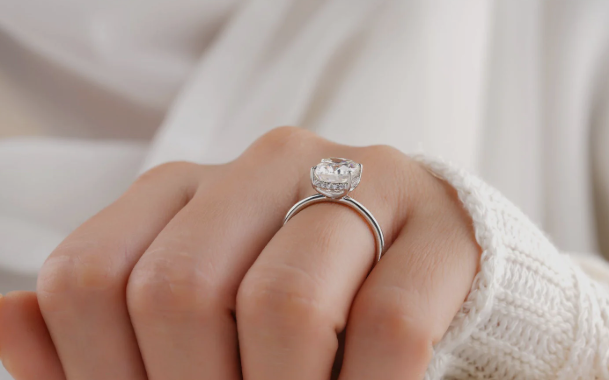
- Halo: Small surrounding diamonds enhance sparkle and create a larger appearance.
- Three-Stone: Symbolizes the past, present, and future.
- Bezel: Excellent protection for active lifestyles.
- Prong Setting: Traditional and elegant.
- Flush Setting: Modern and minimalistic.
Popular diamond shapes include:
- Round Brilliant
- Oval
- Pear
- Marquise
- Emerald
- Radiant
- Asscher
- Baguette
Establish a Smart Budget
Forget outdated rules about spending two or three months’ salary.
Instead:
- Set a budget based on financial comfort.
- Consider lab-grown diamonds for significant savings.
- Explore sapphire, emerald, or moissanite alternatives.
- Prioritize the features that matter most to your partner.
Find the Correct Ring Size
- Borrow a ring they already wear.
- Ask trusted friends or family.
- Visit a local jeweler.
- Choose a resize-friendly setting if uncertain.
Protect Your Purchase
- Request diamond certification from reputable organizations like the GIA or IGI.
- Purchase jewelry insurance.
- Review warranty coverage.
- Understand resizing and return policies.
Before You Start Ring Shopping
Talk to Your Partner
One of the biggest engagement ring mistakes is assuming everything must remain a surprise.
In my experience, the happiest couples often discuss ring preferences before the proposal. While the proposal itself can still be unexpected, knowing whether your partner prefers a lab-grown diamond, a solitaire engagement ring, or a minimalist wedding band can save a lot of stress later.
Important questions include:
- Do they want an engagement ring?
- What styles do they like?
- Do they prefer diamonds or gemstones?
- What metal color do they wear most often?
These conversations help ensure the ring reflects their personality and lifestyle.
Determine Your Budget
For decades, many people followed marketing-driven rules suggesting an engagement ring should cost months of salary.
Fortunately, today’s couples are taking a more practical approach.
Some choose a larger honeymoon budget. Others prioritize buying a home or building savings. Many prefer lab-grown diamonds because they offer exceptional value compared to mined diamonds.
The best engagement ring budget is simply the one you can comfortably afford.
Consider Your Timeline
Custom engagement rings often require several weeks or even months to complete.
If you’re planning a proposal for a vacation, anniversary, or holiday, start shopping early.
Factors affecting delivery time include:
- Custom designs
- Diamond sourcing
- Ring resizing
- Engraving
- Shipping
Planning ahead prevents unnecessary last-minute stress.
Understanding the Center Stone
Diamonds vs. Gemstones
Diamonds remain the most popular engagement ring stone because of their unmatched durability.
According to the Mohs Scale of hardness:
- Diamond: 10
- Sapphire: 9
- Emerald: 7.5–8
- Pearl: 2.5
If the ring will be worn daily, durability matters.
I once saw a beautiful pearl engagement ring online and nearly recommended it to a friend. After researching the Mohs Scale, I quickly realized pearls are too soft for everyday wear and can scratch easily.
For long-term durability, diamonds and sapphires remain excellent choices.
The Four Cs Explained
Carat
Carat refers to diamond weight.
Larger diamonds generally cost more, but strategic shopping can help maximize value.
Cut
Many jewelry experts consider cut the most important of the Four Cs because it directly impacts sparkle.
Even a smaller diamond can look stunning when expertly cut.
Color
Colorless diamonds command premium prices.
However, near-colorless diamonds often look identical to casual observers while offering better value.
Clarity
Most buyers don’t need flawless diamonds.
Eye-clean stones provide excellent beauty without paying for imperfections visible only under magnification.
Choosing a Diamond Shape
Each shape offers a unique personality.
Round Brilliant
Maximum sparkle and timeless appeal.
Oval
Creates the illusion of larger size while elongating the finger.
Pear
Elegant and distinctive.
Marquise
Appears larger than its carat weight.
Emerald
Sophisticated step-cut design with vintage appeal.
Asscher
Art Deco-inspired elegance.
Radiant
Combines brilliance with geometric lines.
Baguette
Minimalist and modern.
There is no universally perfect shape. The best choice is simply the one your partner loves most.
Choosing the Right Setting
Solitaire Engagement Rings
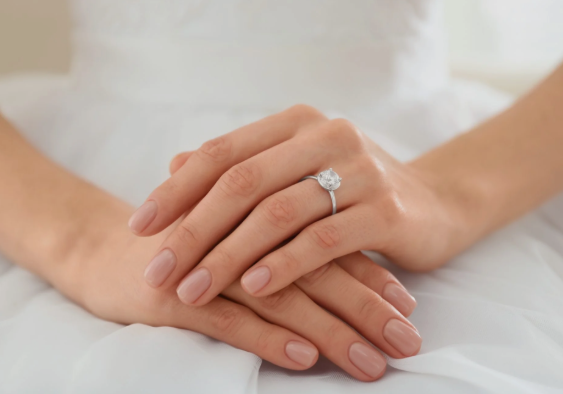
A solitaire setting highlights the center stone without distraction.
This classic design remains one of the most popular engagement ring styles.
Halo Settings
A halo surrounds the center diamond with smaller diamonds.
Benefits include:
- Increased sparkle
- Larger visual appearance
- Enhanced brilliance
Three-Stone Settings
Three-stone rings symbolize:
- Past
- Present
- Future
They offer meaningful symbolism and additional visual impact.
Bezel Settings
Bezel settings surround the stone with metal.
Advantages include:
- Exceptional protection
- Modern appearance
- Ideal for active lifestyles
Prong Settings
Prong settings remain the traditional standard.
Many jewelers use V-prongs for pointed stones such as pear and marquise cuts to improve security.
Customizing the Band
Choosing the Best Metal
Platinum
Pros:
- Durable
- Hypoallergenic
- Prestigious
Cons:
- Higher price
White Gold
Pros:
- Bright appearance
- More affordable than platinum
Cons:
- Requires rhodium maintenance
Yellow Gold
Pros:
- Timeless
- Low maintenance
Cons:
- Softer than platinum
Rose Gold
Pros:
- Romantic color
- Durable composition
Cons:
- Less traditional
Accent Stones and Eternity Bands
Many modern designs include:
- Hidden halos
- Pavé diamonds
- Channel-set diamonds
- Eternity bands
- Floating settings
These features add sparkle and uniqueness without dramatically increasing center stone size.
Finding the Perfect Ring Size
Accurate sizing prevents future headaches.
Popular methods include:
- Professional jeweler sizing
- Ring sizing kits
- Borrowing a partner’s ring
- Asking family members
If you’re uncertain, avoid full eternity bands because resizing can be difficult or impossible.
Insurance, Warranties, and Protection
Before finalizing your purchase:
Request Certification
Always choose diamonds certified by respected organizations such as:
- Gemological Institute of America (GIA)
- International Gemological Institute (IGI)
Certification confirms authenticity and quality.
Purchase Insurance
Insurance protects against:
- Theft
- Loss
- Damage
Many homeowners and renters insurance providers offer jewelry riders.
Review Warranty Coverage
Understand:
- Resizing policies
- Manufacturing defect coverage
- Stone replacement options
- Maintenance services
Caring for Your Engagement Ring
Even the most durable ring requires care.
Avoid exposing your ring to:
- Chlorine
- Harsh chemicals
- Saltwater
- Lotions during cleaning
For routine maintenance:
- Clean regularly with mild soap and warm water.
- Schedule professional inspections annually.
- Check prongs periodically.
- Replate white gold when necessary.
These simple habits can keep your engagement ring looking beautiful for decades.
Quick Engagement Ring Shopping Tips
- Prioritize cut quality over carat size.
- Consider lab-grown diamonds for better value.
- Match the metal to jewelry your partner already wears.
- Think about future wedding band stacking.
- Verify certification before purchasing.
- Never exceed a comfortable budget.
- Choose a design that suits your partner’s lifestyle.
Frequently Asked Questions
What is the most important factor when buying an engagement ring?
Most experts agree that cut quality has the biggest impact on sparkle and overall beauty.
Are lab-grown diamonds real diamonds?
Yes. Lab-grown diamonds have the same physical, chemical, and optical properties as mined diamonds.
What is the most durable gemstone for an engagement ring?
Diamonds rank highest on the Mohs Scale with a hardness rating of 10, making them the most durable option.
Is platinum better than white gold?
Both are excellent choices. Platinum is more durable and hypoallergenic, while white gold offers a similar look at a lower cost.
How can I secretly find my partner’s ring size?
Borrow a ring they already wear, trace the inner diameter, or ask close friends and family for help.
Final Thoughts
Choosing an engagement ring can feel overwhelming at first, but once you understand the Four Cs, ring settings, metal options, certification requirements, and budget considerations, the process becomes much more enjoyable.
From my research and conversations with jewelers, the best engagement ring is never the most expensive one. It’s the ring that reflects your partner’s style, fits your budget, and represents your relationship in a meaningful way.
Whether you choose a classic solitaire, a dazzling halo, a sustainable lab-grown diamond, or a custom-designed masterpiece, focus on creating a ring that tells your story. That’s what truly makes an engagement ring unforgettable.