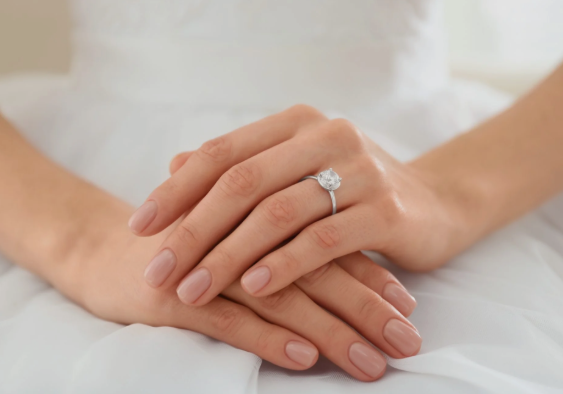
Choosing an engagement ring is one of the most meaningful purchases you’ll ever make. It’s not just a beautiful piece of jewelry; it’s a lasting symbol of love, commitment, and the exciting future you’re planning together.
I still remember helping one of my friends shop for an engagement ring. What seemed like a simple task quickly turned into a deep dive into diamonds, ring settings, precious metals, and budgeting. We spent hours comparing diamond cuts, debating between platinum and white gold, and trying to secretly figure out the correct ring size without spoiling the surprise.
If you’re feeling overwhelmed by all the choices available today, you’re not alone. The good news is that finding the perfect engagement ring doesn’t have to be complicated. By focusing on a few key factors, you can confidently choose a ring that matches your partner’s style, lifestyle, and your budget.
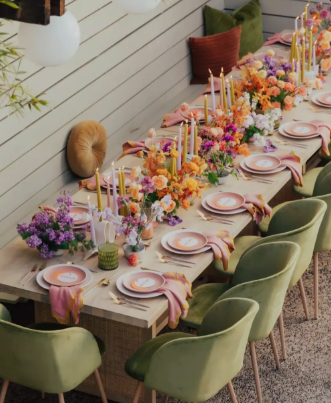
Choosing the right engagement ring sets the tone for your wedding style, and these Ideas for Using Glass Stones as Wedding Table Centerpieces can help tie your entire event together.
Overview
Choosing an engagement ring comes down to understanding five critical factors: the 4 Cs (Cut, Color, Clarity, Carat), the setting style, metal choices, your partner’s lifestyle, and your budget.
Understand the 4 Cs
The universal grading standards for diamonds are:
- Cut
- Color
- Clarity
- Carat
Cut is often considered the most important factor because it determines a diamond’s brilliance and sparkle. Color grades range from D (colorless) to Z (light yellow or brown). Clarity measures internal and external imperfections, while carat refers to the diamond’s weight and overall size.
Match Their Style and Lifestyle
Observe your partner’s jewelry preferences and daily routine. Someone with an active lifestyle may benefit from a lower-profile or bezel setting that offers additional protection.
Choose the Right Metal and Setting
Popular metal choices include platinum, white gold, yellow gold, and rose gold. Each offers a different look, durability level, and price point.
Set a Realistic Budget
Modern engagement ring shopping focuses on personal finances rather than outdated spending rules. Decide what features matter most before you start shopping.
Get the Ring Size Right
If you’re planning a surprise proposal, consider borrowing one of your partner’s existing rings, tracing its inner circle, or asking trusted friends and family members for help.
Why the Right Engagement Ring Matters
An engagement ring is more than a fashion accessory. It represents your unique relationship and becomes a daily reminder of your commitment.
In my experience, the best engagement rings aren’t always the most expensive ones. The most memorable rings are those chosen with thought, care, and attention to personal details.
When shopping for an engagement ring, it’s important to focus on quality, comfort, style, and long-term value rather than simply choosing the largest diamond available.
Tip #1: Learn the 4 Cs Before Buying a Diamond
Understanding the 4 Cs can help you make a smarter purchasing decision and avoid overpaying.
Cut
Cut determines how effectively a diamond reflects light. A well-cut diamond sparkles more brilliantly and often appears larger than its actual size.
Popular diamond cuts include:
- Round Cut
- Princess Cut
- Oval Cut
- Pear Shape
- Marquise Cut
Whenever I compare engagement rings, cut quality is always one of the first things I evaluate.
Color
Diamond color is graded from D to Z.
Many buyers find that G and H color diamonds appear virtually colorless while offering much better value than premium D-grade diamonds.
Clarity
Clarity measures the number of natural imperfections within a diamond.
Popular clarity grades include:
- IF
- VVS1
- VVS2
- VS1
- VS2
- SI1
VS1 and VS2 diamonds often provide an excellent balance between beauty and affordability.
Carat Weight
Carat measures the weight of the diamond rather than its visible dimensions.
Larger carat weights generally cost more, but many shoppers now choose lab-grown diamonds to maximize size while staying within budget.
Tip #2: Set Your Engagement Ring Budget Early
One of the biggest mistakes buyers make is shopping without a budget.
A friend of mine once fell in love with a stunning halo engagement ring before considering the price. Unfortunately, the ring cost nearly twice what he had planned to spend.
Creating a realistic budget before shopping helps narrow your options and prevents unnecessary stress.
Consider prioritizing:
- Diamond quality
- Ring setting
- Metal type
- Custom design services
- Center stone size
Beautiful engagement rings can be found at almost every budget level.
Tip #3: Pay Attention to Your Partner’s Style
One of the easiest ways to find the perfect engagement ring is by studying your partner’s existing jewelry collection.
Minimalist Style
If your partner prefers simple jewelry, consider:
- Solitaire engagement rings
- Clean bands
- Simple settings
Vintage Style
Vintage-inspired designs often feature:
- Detailed craftsmanship
- Halo settings
- Decorative accents
Modern Style
Popular modern engagement ring trends include:
- Oval diamonds
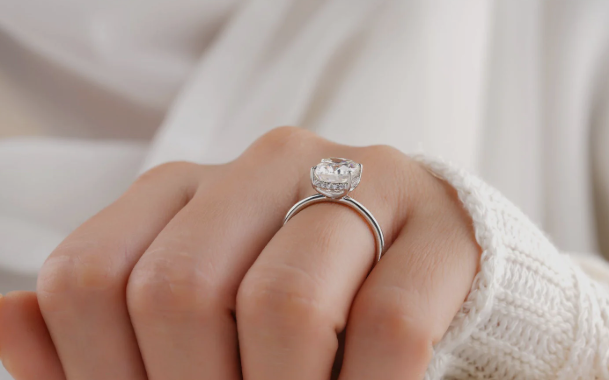
- Hidden halo settings
- Sleek contemporary designs
I once noticed that a friend’s partner only wore yellow gold jewelry. That observation instantly eliminated dozens of ring options and made the final decision much easier.
Tip #4: Choose the Best Metal and Setting
The metal and setting significantly affect the ring’s appearance, durability, and maintenance requirements.
Platinum
Benefits include:
- Exceptional durability
- Naturally white appearance
- Hypoallergenic properties
- Excellent for everyday wear
White Gold
Benefits include:
- Popular modern appearance
- More affordable than platinum
- Elegant finish
Yellow Gold
Benefits include:
- Traditional appeal
- Timeless style
- Complements vintage-inspired rings
Rose Gold
Benefits include:
- Warm, romantic appearance
- Unique personality
- Growing popularity among modern couples
Popular Engagement Ring Settings
Solitaire Setting
A timeless design that emphasizes the center stone.
Halo Setting
Surrounds the center stone with smaller diamonds for extra sparkle.
Side Stone Setting
Adds brilliance and visual interest.
Split Shank Band
Creates a luxurious and distinctive look.
Bezel Setting
Offers superior protection and is ideal for active lifestyles.
Tip #5: Get the Ring Size Correct
Nothing ruins a proposal celebration faster than discovering the ring doesn’t fit.
Fortunately, there are several ways to determine ring size discreetly.
Borrow an Existing Ring
Take a ring your partner regularly wears on the correct finger and have it measured by a reputable jeweler.
Trace the Ring
Place the ring on paper and trace the inner circumference.
Ask Friends or Family
Close friends and family members may already know the correct size.
Consult a Professional Jeweler
Experienced jewelers can often estimate sizing using photos and basic measurements.
Why Working With a Reputable Jeweler Is Important
A knowledgeable jeweler can simplify the entire engagement ring buying process.
Professional jewelers help buyers:
- Understand diamond certification
- Compare loose diamonds
- Explore custom engagement rings
- Verify authenticity
- Find the best value within their budget
Whether you’re shopping online or visiting a jewelry showroom, always research reviews, certifications, and customer experiences before making a purchase.
Common Engagement Ring Buying Mistakes to Avoid
Focusing Only on Carat Size
A larger diamond isn’t always the better choice. Cut quality often has a greater impact on appearance.
Ignoring Lifestyle Needs
A large center stone may not be practical for someone who frequently works with their hands.
Skipping Research
Learning about diamonds, settings, and metals can save you money and improve your final choice.
Forgetting Long-Term Maintenance
Some ring settings require more cleaning and upkeep than others.
Quick Engagement Ring Shopping Checklist
Before purchasing, make sure you:
- Know the ring size
- Set a realistic budget
- Understand the 4 Cs
- Choose the right metal
- Select a suitable setting
- Research reputable jewelers
- Compare loose diamonds
- Consider custom design options
- Match your partner’s style
- Review diamond certification
Frequently Asked Questions
What is the most important of the 4 Cs?
Most jewelry experts consider cut the most important because it directly impacts a diamond’s brilliance and sparkle.
Is platinum better than white gold?
Platinum is generally more durable and hypoallergenic, while white gold offers a similar appearance at a lower cost.
Are lab-grown diamonds worth buying?
Yes. Lab-grown diamonds provide excellent value and can help buyers get a larger stone without significantly increasing their budget.
How can I secretly find my partner’s ring size?
Borrow an existing ring, trace its inner circle, ask trusted friends or family members, or consult a professional jeweler for assistance.
Final Thoughts
Choosing an engagement ring is an exciting journey that combines emotion, style, and careful decision-making. By understanding the 4 Cs, setting a realistic budget, considering your partner’s lifestyle, selecting the right metal and setting, and working with a trusted jeweler, you’ll be well-prepared to make a confident purchase.
The perfect engagement ring isn’t necessarily the biggest or most expensive one. It’s the ring that reflects your partner’s personality, celebrates your unique love story, and symbolizes the future you’re building together.