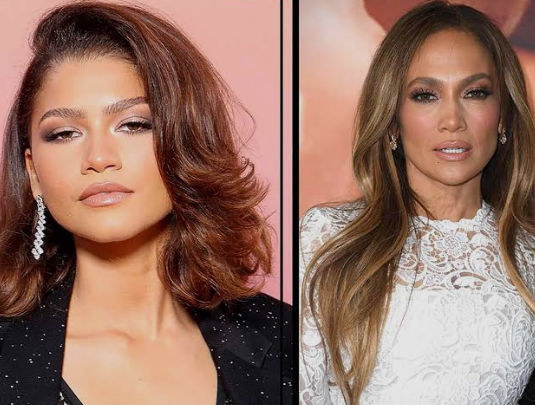
Have you ever walked out of a salon feeling like a completely new person—only to regret your haircut a week later?
I certainly have.
A few years ago, I walked into a hair salon convinced that a trendy textured cut I’d seen online would completely transform my look. The stylist did exactly what I asked for. The problem wasn’t the haircut—it was me. I hadn’t considered my face shape, hair texture, daily routine, or how much effort that style required every morning.
What looked effortless on social media suddenly became a 30-minute styling project before work.
That experience taught me a valuable lesson: choosing a hairstyle isn’t just about what’s trending. It’s about finding a look that works for your unique features, lifestyle, maintenance preferences, and personal style.
If you’re thinking about changing your haircut, hair color, or overall look, this guide will help you avoid costly mistakes and make a decision you’ll love for months—not just days.
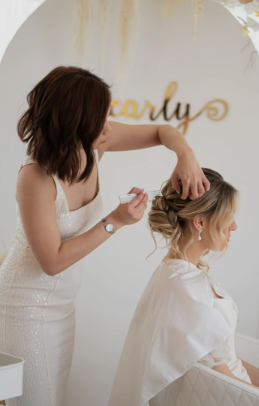
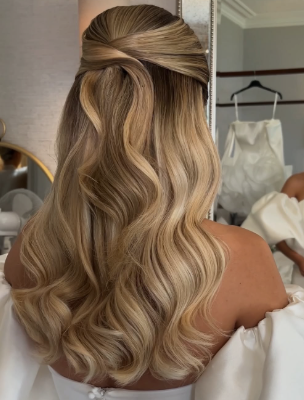
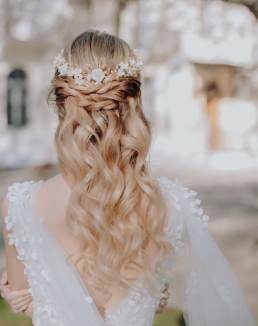
Before making a final hairstyle choice, take some time to Learn How to Tie and Decide Hairstyle for Your Wedding so you can pick a style that complements your face shape, outfit, and overall look perfectly.
Overview
Choosing the perfect hairstyle requires more than simply following the latest beauty trends. To find a hairstyle that truly flatters your appearance, you need to consider your face shape, hair texture, maintenance expectations, lifestyle, and professional image.
A well-chosen hairstyle can boost confidence and complement your natural features, while an impulsive haircut can take months—or even years—to fully grow out.
Key Factors to Evaluate
- Face shape (oval, round, square, heart, or diamond)
- Hair type and texture
- Hair length preferences
- Maintenance and styling requirements
- Professional and social image
- Salon budget
- Current hairstyle trends
The best hairstyle is one that looks great both on your best days and on mornings when you’re rushing out the door.
Why Choosing the Right Hairstyle Matters
Your hairstyle is one of the first things people notice about you.
Whether you’re heading into a professional meeting, attending a wedding, meeting new people, or simply posting photos online, your haircut helps communicate your personality and style.
In my experience, the best hairstyles achieve three goals:
- Complement your facial features
- Match your lifestyle
- Feel authentic to who you are
A hairstyle should work with your natural characteristics—not fight against them.
Start with Your Face Shape
One of the biggest mistakes people make when choosing a hairstyle is ignoring face shape.
A haircut that looks amazing on one person may not have the same effect on someone with different facial proportions.
Oval Face Shape
Oval faces are considered highly versatile.
Recommended styles include:
- Long layers
- Bob haircuts
- Curtain bangs
- Textured cuts
- Pixie cuts
Most hairstyle options work well with oval faces.
Round Face Shape
Round faces benefit from styles that create visual length.
Great options include:
- Long layered hairstyles
- Side parts
- Textured lobs
- Face-framing layers
Avoid cuts that add excessive width around the cheeks.
Square Face Shape
Square faces often benefit from softness.
Recommended styles:
- Soft waves
- Layered cuts
- Side-swept bangs
- Long textured hairstyles
These help balance strong jawlines.
Heart-Shaped Face
Heart-shaped faces typically pair well with:
- Side-swept bangs
- Chin-length cuts
- Textured lobs
- Medium-length layers
These styles create harmony between the forehead and jawline.
Diamond Face Shape
Diamond faces often look fantastic with:
- Shoulder-length cuts
- Curtain bangs
- Layered hairstyles
- Soft volume around the crown
Understand Your Hair Type and Texture
Even the best haircut can disappoint if it doesn’t work with your natural hair texture.
Straight Hair
Straight hair tends to show every line and angle of a haircut.
Popular options include:
- Blunt bobs
- Layered cuts
- Butterfly cuts
- Long layers
Adding strategic layers can prevent straight hair from appearing flat.
Wavy Hair
Wavy hair provides natural movement and versatility.
Popular styles include:
- Long layers
- Textured cuts
- Shag hairstyles
- Modern lobs
Curly Hair
Curly hair requires specialized shaping techniques.
The right haircut can:
- Reduce bulk
- Improve curl definition
- Control frizz
- Enhance volume distribution
Thick Hair
People with thick hair often benefit from:
- Internal layering
- Texturizing techniques
- Weight removal
This helps improve manageability.
Fine Hair
Fine hair benefits from:
- Volume-enhancing cuts
- Blunt ends
- Strategic layering
Many hairstylists also recommend volumizing products and styling techniques.
Consider Your Hair Length Carefully
Hair length affects styling flexibility, maintenance, and long-term satisfaction.
Short Hairstyles
Benefits:
- Fast styling
- Lightweight feel
- Modern appearance
Challenges:
- Frequent salon visits
- Limited styling versatility
Popular examples:
- Pixie cuts
- Bixie cuts
- Italian bobs
Medium-Length Hairstyles
Many professionals consider medium-length hair the sweet spot.
Benefits:
- Versatile styling
- Easier maintenance
- Professional appearance
Long Hairstyles
Long hair offers maximum flexibility.
Popular options:
- Long layers
- Face-framing cuts
- Hollywood-inspired waves
However, remember that hair generally grows only a few inches per year. A dramatic chop is much easier to achieve than reversing one.
Think About Hair Color Before You Commit
Hair color can completely transform your appearance.
However, it can also become expensive and time-consuming.
Popular color choices include:
- Blonde
- Brunette
- Copper
- Balayage
- Highlights
Fashion-forward options include:
- Blue hair
- Pink hair
- Purple hair
These colors can look stunning, but they often require frequent maintenance.
Before making a dramatic color change, ask yourself:
- Am I prepared for touch-ups?
- Does it fit my workplace?
- Can I afford long-term upkeep?
Be Honest About Maintenance
This is where reality meets inspiration.
One question I always ask myself is:
“Will I still love this hairstyle on a busy Tuesday morning?”
A high-fashion hairstyle may look incredible after a professional blowout, but what happens when you’re running late?
Consider:
- Daily styling time
- Product requirements
- Blow-drying needs
- Curling or straightening routines
Low-maintenance hairstyles are often the most satisfying over time.
Match Your Hairstyle to Your Lifestyle
Your haircut should support your routine.
Professionals
Office environments often favor:
- Polished bobs
- Layered cuts
- Clean, professional hairstyles
Active Lifestyles
If you exercise frequently, consider:
- Ponytail-friendly lengths
- Easy-to-manage layers
- Low-maintenance cuts
Creative Professionals
Creative industries often allow more experimentation with:
- Bold colors
- Modern cuts
- Trend-driven styles
Your hairstyle should align with your personal brand and professional image.
Determine Your Salon Budget
Many people overlook this factor.
The cost of maintaining a hairstyle can vary dramatically.
Typical expenses may include:
- Haircuts
- Coloring
- Highlights
- Hair extensions
- Keratin treatments
- Styling appointments
Hair extensions, bleaching services, and color corrections can significantly increase your salon budget.
Choosing a hairstyle that fits your financial comfort zone can prevent frustration later.
Explore Trends—But Don’t Chase Them Blindly
Trends can be inspiring.
However, not every trend suits every person.
Current hairstyle trends include:
- Butterfly haircut
- Wolf cut
- Italian bob
- Bixie cut
- Curtain bangs
- Old money hairstyles
I recommend using trends as inspiration rather than strict instructions.
The best hairstylists adapt trends to fit your face shape, texture, and lifestyle.
Quick Hairstyle Decision Checklist
Before booking your next salon appointment, ask yourself:
Does it suit my face shape?
Will it work with my hair texture?
Can I maintain it daily?
Does it fit my lifestyle?
Is it appropriate for my workplace?
Can I afford ongoing maintenance?
Will I still like it six months from now?
Common Hairstyle Mistakes to Avoid
- Choosing a haircut solely because it’s trending
- Ignoring hair texture
- Underestimating maintenance
- Following celebrity styles without adaptation
- Making impulsive color changes
- Skipping a professional consultation
Frequently Asked Questions
How do I know which hairstyle suits me best?
Start by evaluating your face shape, hair texture, maintenance preferences, and lifestyle. A professional hairstylist consultation can also provide personalized recommendations.
Should I choose a trendy hairstyle?
Trends can be helpful for inspiration, but they should be adapted to your features and lifestyle rather than copied exactly.
How often should I visit a salon?
Most haircuts require maintenance every 6–10 weeks, depending on the style and growth rate.
Are hair extensions worth the investment?
Hair extensions can add length and volume but require regular upkeep and additional salon costs.
Final Thoughts
Choosing a hairstyle is one of the most personal beauty decisions you’ll make.
After researching countless hairstyle options, consulting professional hairstylists, experimenting with different cuts, and learning from my own mistakes, I’ve discovered that the best hairstyles aren’t necessarily the trendiest—they’re the ones that fit your face shape, hair texture, lifestyle, maintenance preferences, and personality.
Before your next salon visit, take a little extra time to think beyond the inspiration photo. Consider how the style will look, feel, and function in your everyday life.
Trust me—your future self will thank you for thinking more than twice before choosing a hairstyle.