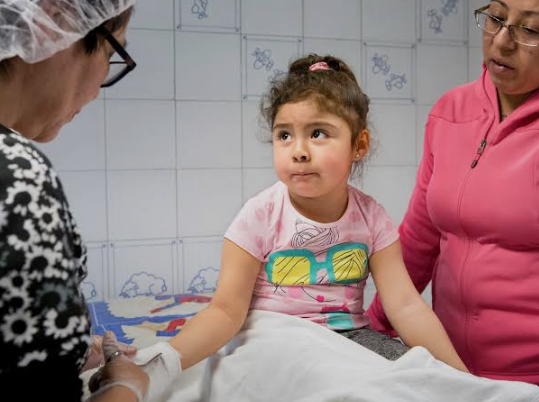
Burn injuries are among the most devastating accidents a child can experience. What makes them even more heartbreaking is that many are entirely preventable.
I remember visiting a family friend whose toddler managed to grab the handle of a mug filled with freshly brewed tea. In a split second, a normal morning turned into an emergency room visit. Thankfully, the injuries were minor, but the incident reinforced something healthcare professionals have emphasized for years: children are naturally curious, and everyday household hazards can quickly become dangerous.
Every year, thousands of children are treated in emergency departments or hospitalized for burn injuries. According to pediatric health experts, young children are particularly vulnerable because their skin is thinner than that of adults. As a result, hot liquids, steam, and heated surfaces can cause deeper and more severe burns at lower temperatures.
In this guide, I’ll explore the most common causes of childhood burns, explain why young children face greater risks, discuss treatment and recovery, and share practical prevention strategies every parent and caregiver should know.
Families facing the financial and emotional impact of serious burn injuries may benefit from understanding their legal options in British Columbia for Injury Claims .
Overview
Thousands of children are treated or hospitalized each year because of severe burn injuries. Due to thinner skin, young children can suffer deeper burns from hot liquids and steam than adults exposed to the same temperatures.
Scald burns caused by hot water, soup, tea, coffee, and other hot beverages remain the most common pediatric burn injury, while flame-related burns tend to become more common as children grow older.
Most childhood burn accidents occur inside the home and can often be prevented through simple safety measures.
Kitchen and Food Safety
Create a Kid-Free Zone
Keep children at least three feet away from cooking areas whenever possible.
Handle Hot Liquids Carefully
- Turn pot handles toward the back of the stove.
- Avoid tablecloths or placemats that children can pull.
- Keep hot foods and beverages away from edges.
Hot Beverage Awareness
Never carry a child while holding hot coffee, tea, soup, or other heated liquids.
Bathroom and Water Safety
Lower Water Heater Temperatures
Set water heaters to 120°F (49°C) or below to reduce scald risks.
Test Water Before Use
Always check bathwater temperature using your wrist or elbow before placing a child into the tub.
Fire and Household Object Safety
Secure Dangerous Items
Store the following out of children’s reach:
- Matches
- Lighters
- Household chemicals
- Flammable materials
Appliance Safety
Unplug appliances such as:
- Hair straighteners
- Curling irons
- Clothing irons
Many remain dangerously hot long after use.
Smoke Alarm Protection
Install working smoke alarms on every level of your home and test them regularly.
Understanding Pediatric Burn Injuries
Burn injuries occur when skin and underlying tissues are damaged by:
- Heat
- Hot liquids
- Steam
- Fire
- Electricity
- Chemicals
Children under six years old face significantly higher risks because they are still developing physically, cognitively, and emotionally.
In my experience researching pediatric injury prevention, one consistent theme emerges: toddlers explore the world through touch. Unfortunately, they often cannot recognize danger until it’s too late.
Why Young Children Face Greater Burn Risks
Thin and Sensitive Skin
Children’s skin is considerably thinner than adult skin, allowing burns to penetrate deeper layers more quickly.
For example:
- Hot tap water can severely burn a child within seconds.
- A spilled cup of coffee may cause significant tissue damage.
Natural Curiosity
Toddlers love exploring.
They pull tablecloths.
They reach for pots.
They grab dangling appliance cords.
They’re basically tiny scientists conducting experiments without understanding the consequences.
Limited Hazard Awareness
Young children lack the judgment needed to recognize:
- Hot surfaces
- Open flames
- Electrical hazards
- Dangerous chemicals
This developmental reality places greater responsibility on caregivers to create safe environments.
Most Common Types of Childhood Burns
Scald Burns
Scald injuries account for the largest percentage of pediatric burn cases.
Common causes include:
- Hot water
- Tea
- Coffee
- Soup
- Steam
- Instant noodles
Scald burns frequently occur in kitchens and dining areas.
Contact Burns
These happen when a child touches a hot object such as:
- Stoves
- Ovens
- Fireplaces
- Irons
- Hair straighteners
Many parents are surprised to learn that styling tools may remain hot for 20 to 30 minutes after being unplugged.
Flame Burns
Flame-related injuries often involve:
- Candles
- Fire pits
- Matches
- Lighters
- House fires
Older children may face increased flame-burn risks due to experimentation and outdoor activities.
Electrical Burns
Electrical injuries may result from:
- Damaged wiring
- Uncovered outlets
- Extension cords
- Faulty appliances
Electrical burns can damage tissues beneath the skin even when external injuries appear minor.
Chemical Burns
Household cleaning products and industrial chemicals can cause severe burns if improperly stored.
Common examples include:
- Drain cleaners
- Bleach
- Oven cleaners
- Industrial solvents
Understanding Burn Severity
First-Degree Burns
Affect only the outer skin layer.
Symptoms:
- Redness
- Mild swelling
- Pain
Second-Degree Burns
Extend into deeper skin layers.
Symptoms:
- Blistering
- Severe pain
- Swelling
Third-Degree Burns
Destroy multiple skin layers.
Symptoms:
- White or charred appearance
- Reduced sensation
- Extensive tissue damage
Fourth-Degree Burns
The most severe form.
Damage may involve:
- Muscles
- Tendons
- Bones
Immediate emergency treatment is required.
What Parents Should Do Immediately After a Burn
Quick action can reduce injury severity.
Step 1: Remove the Heat Source
Move the child away from:
- Hot liquids
- Flames
- Electrical sources
- Chemicals
Step 2: Cool the Burn
Use cool running water for approximately 20 minutes.
Avoid:
- Ice
- Butter
- Toothpaste
- Home remedies
Despite popular myths, these approaches may worsen tissue damage.
Step 3: Remove Tight Items
Carefully remove:
- Jewelry
- Watches
- Tight clothing
Swelling may develop rapidly.
Step 4: Seek Medical Attention
Professional evaluation is recommended for:
- Facial burns
- Large burns
- Electrical burns
- Chemical burns
- Burns involving infants
How Pediatric Burn Treatment Has Evolved
Modern pediatric burn care has improved dramatically.
Healthcare teams may use:
- Fluid resuscitation
- Advanced wound care
- Infection prevention protocols
- Skin grafting
- Bioengineered skin substitutes
Specialized burn centers now employ multidisciplinary teams that include surgeons, nurses, nutritionists, psychologists, and rehabilitation specialists.
Pain Management and Emotional Recovery
Burn recovery involves more than physical healing.
Children may experience:
- Anxiety
- Sleep disturbances
- Fear
- Emotional trauma
Healthcare providers increasingly incorporate:
Virtual Reality Therapy
Virtual reality technology helps distract children during painful dressing changes.
Psychological Counseling
Mental health support can improve long-term recovery outcomes.
Family-Centered Care
Parents play an essential role throughout rehabilitation.
Nutrition’s Role in Burn Recovery
Severe burns trigger a hypermetabolic response.
The body requires additional:
- Calories
- Protein
- Vitamins
- Minerals
Proper nutrition supports:
- Wound healing
- Immune function
- Growth
- Recovery
Pediatric specialists often create individualized nutrition plans for children recovering from significant burn injuries.
Long-Term Recovery and Scar Management
Recovery does not end when wounds heal.
Some children require:
- Physical therapy
- Occupational therapy
- Compression garments
- Silicone scar treatments
- Reconstructive surgery
Early intervention often improves functional outcomes and quality of life.
Burn Prevention Strategies Every Family Should Follow
Kitchen Safety Checklist
Turn pot handles inward
Keep hot beverages away from edges
Create a three-foot child-free cooking zone
Avoid carrying children while cooking
Bathroom Safety Checklist
Set water heaters to 120°F (49°C)
Test bathwater before use
Supervise bath time continuously
Home Fire Safety Checklist
Install smoke alarms
Test alarms monthly
Create a fire escape plan
Store matches and lighters securely
Appliance Safety Checklist
Unplug appliances immediately
Keep cooling devices out of reach
Secure cords away from children
Quick Safety Summary
If there’s one lesson I’ve learned from years of reviewing child safety research, it’s this:
Most pediatric burns happen during ordinary moments.
Not emergencies.
Not disasters.
Just normal daily routines.
The good news is that simple changes often make the biggest difference.
Frequently Asked Questions
What is the most common burn injury in children?
Scald burns caused by hot liquids, steam, and hot water are the most common pediatric burn injuries.
Why are burns more serious in young children?
Children have thinner skin than adults, allowing heat to penetrate deeper tissues more quickly and cause more severe injuries.
When should a child see a doctor for a burn?
Seek medical attention for burns involving the face, hands, feet, genitals, large body areas, electrical injuries, chemical burns, or any burn affecting infants.
Can burn scars disappear completely?
Some minor scars may fade significantly, but severe burns may leave permanent scarring that requires long-term management.
Are most childhood burns preventable?
Yes. Many pediatric burn injuries occur at home and can be prevented through supervision, education, and environmental safety measures.
Final Thoughts
Thousands of children are hospitalized every year with burn injuries, yet many of these accidents are preventable. Understanding common burn causes, recognizing risk factors, implementing home safety strategies, and responding quickly when injuries occur can dramatically reduce both the frequency and severity of pediatric burns.
Whether you’re a parent, caregiver, educator, or healthcare professional, staying informed is one of the most effective ways to protect children from harm. A few simple precautions today could prevent a life-changing injury tomorrow.
Have questions about burn prevention, treatment, or recovery? Continue learning, speak with qualified healthcare professionals, and share safety knowledge with others—because protecting children is a responsibility we all share.